
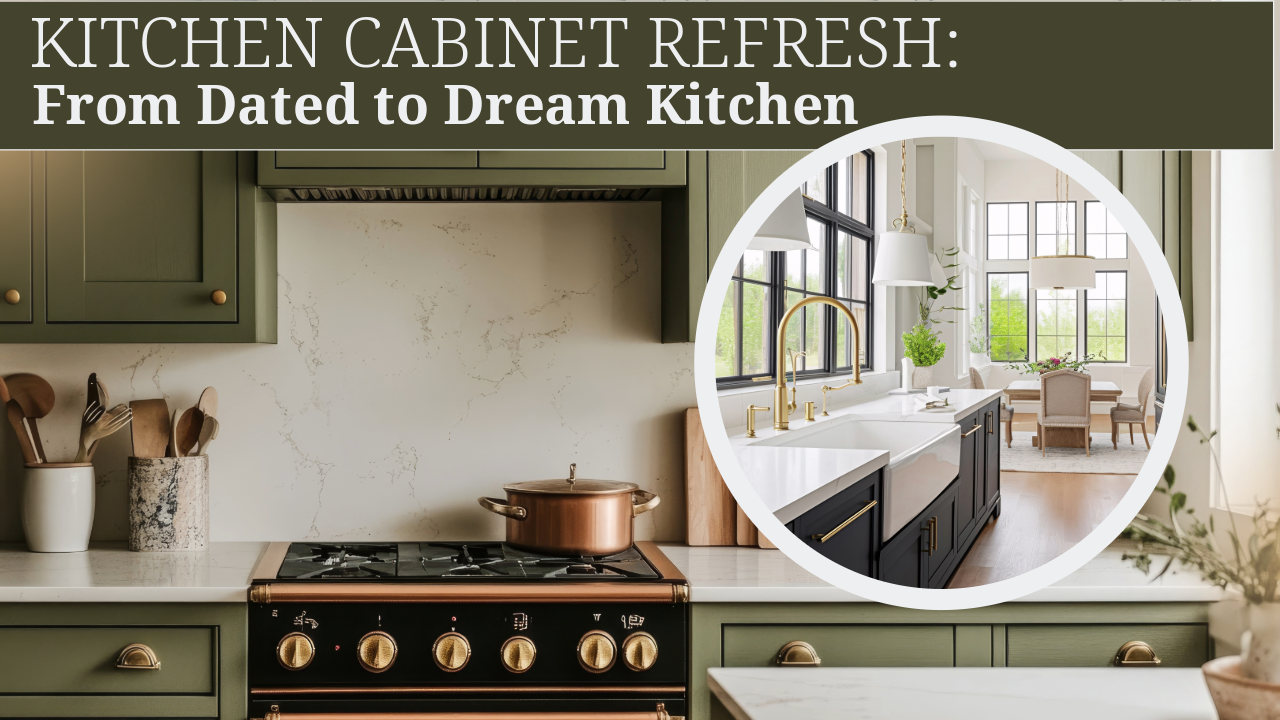
Every day in towns like Holden, Princeton, Rutland, Paxton, and West Boylston, someone opens their cabinet doors and sighs at honey-oak, worn thermofoil, or chipped factory white. The good news? A professional cabinet painting can give you the custom kitchen you’ve been pinning on Pinterest—without tearing the room apart or waiting months for new boxes. After transforming hundreds of Wachusett-area kitchens, here’s the exact playbook we follow for results that look factory-sprayed and last for decades.
Step One: Knowing When Cabinets Are Worth Saving
Not every set is a candidate, but most built before 2005 are gold. Solid wood or plywood boxes, real-wood face frames, and dovetailed drawers almost always deserve a second life. We inspect for water damage, delamination, or structural issues first. If the bones are good (and they usually are in our older New England homes), painting is the smartest move you can make.
The Professional Process That Makes All the Difference
This isn’t a weekend brush-and-roller job. Here’s what actually happens when the pros take over.
- Everything comes off Doors, drawers, hinges, and knobs are removed, labeled, and transported to our climate-controlled shop. Working off-site keeps dust out of your home and lets us spray both sides evenly.
- Deep cleaning and deglossing Years of cooking residue get wiped out with a heavy-duty degreaser followed by liquid sandpaper. This step alone prevents 99% of peeling problems down the road.
- Repairs and upgrades Loose joints get re-glued, dents filled with two-part wood filler, and worn corners rebuilt. Many clients add soft-close hinges or new pulls at this stage—simple upgrades that feel luxurious.
- Sanding sequence We scuff with 120-grit, then 180, then 220—never skipping a grit. The surface ends up baby-smooth, ready to grab the new finish.
- Priming that sticks forever For oak and maple, we use a high-adhesion bonding primer that locks out tannin bleed. On previously painted or thermofoil cabinets, a specialty gripping primer creates a bulletproof base.
- Multiple sprayed coats Two to three thin coats of premium cabinet-grade enamel (usually Benjamin Moore Advance or Sherwin-Williams Emerald Urethane) applied with an HVLP sprayer and air-assisted gun. Between coats, we lightly scuff and vacuum to eliminate any speck of dust. The result: a mirror-like, self-leveling finish with zero brush marks.
- Curing and reinstallation Pieces cure for 7–10 days so the finish fully hardens before daily use. Then everything goes back exactly where it belongs—perfectly aligned and adjusted.
Color Trends Winning Hearts in Wachusett Kitchens Right Now
- Two-tone looks: Greige or soft gray lowers with crisp white or creamy uppers (huge in Princeton colonials)
- Deep moody blues and greens: Hale Navy, Evergreen Fog, and Tricorn Black for islands that steal the show
- Warm whites and off-whites: Chantilly Lace, Swiss Coffee, and Alabaster that brighten north-facing Holden kitchens
- Bold black: Matte or satin black cabinets paired with brass hardware in modern Rutland farmhouses
We always paint 2×2-foot sample boards and bring them to your house so you can see the color in your actual lighting—morning coffee light and evening dinner light look totally different.
Finish Sheen: The Detail Most People Get Wrong
Satin or semi-gloss is the sweet spot for durability and cleanability. Eggshell hides imperfections better but shows every fingerprint around handles. High gloss looks incredible but magnifies every flaw—reserve it for brand-new doors only. We default to 30–40% sheen for the perfect balance of beauty and real-life toughness.
How Long Does a Pro Cabinet Paint Job Actually Last?
With proper prep and premium materials: 15–20 years of daily use before needing touch-ups. That’s longer than most factory finishes on new mid-range cabinets. The key is the hard-curing enamel we spray—far tougher than anything rolled or brushed.
Care Tips to Keep Them Looking Fresh
- Clean with mild soap and water—never abrasive pads or orange cleaners
- Use cutting boards and trivets; the finish is tough but not bulletproof
- Touch up tiny chips immediately with a matching artist brush (we leave you a repair kit)
- Avoid steam directly on seams for years (use your vent hood faithfully)
Ready for your kitchen to finally match the vision in your head? Whether you’re in a 1780s Princeton antique or a 1990s West Boylston raised ranch, we’d love to show you what’s possible.
Reach out today at 774-364-5929 or drop us a message for a free in-home consultation. Let’s turn those tired cabinets into the favorite part of your home.